FAQ
Common questions
Does it work in my DAW?
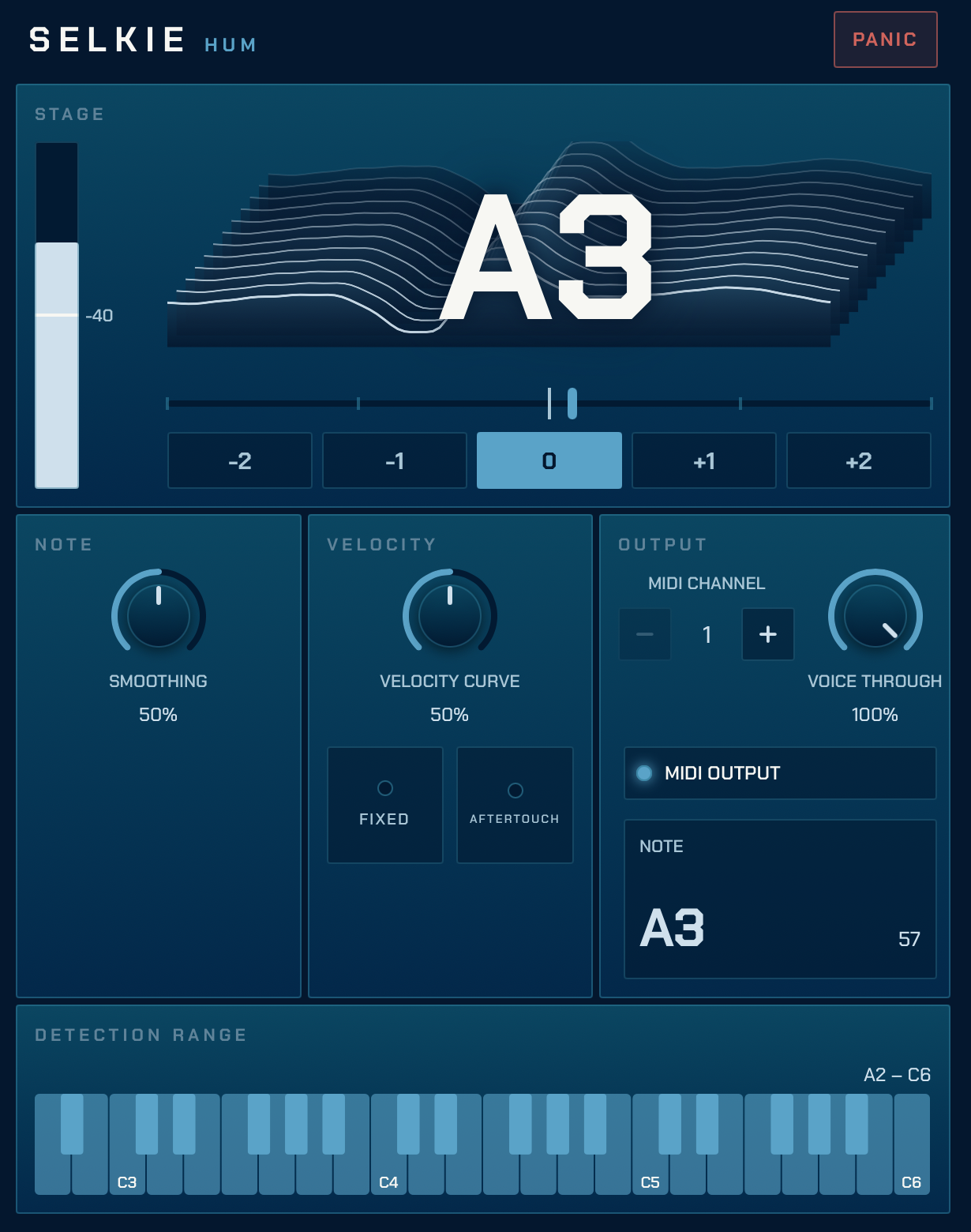
If your Host loads AUv3 effects on an audio channel and takes MIDI from them, yes. I use it in Loopy Pro and AUM and those are the two I test in. It's an effect unit (it sits on your vocal channel), so look for it wherever your Host lists effects, then route its MIDI out to an instrument. No Host? The app on its own is a MIDI source for any synth app.
How quick is it?
Quick enough that it feels like playing. Measured on a test signal, it's roughly 20 to 40 ms from the start of a sung note to the MIDI Note-on, depending on how low the note is and where Smoothing is set. Turning Smoothing down makes it quicker but more likely to jump between Notes.
Why one note at a time?
Because you sing one note at a time. If you want chords, send the MIDI to something that builds chords from single notes; your Host probably has one.
Does it need the internet, or an account?
No. It never makes a network request and there's nothing to sign in to. It doesn't keep your audio either. The
privacy page is short.
iPhone or iPad?
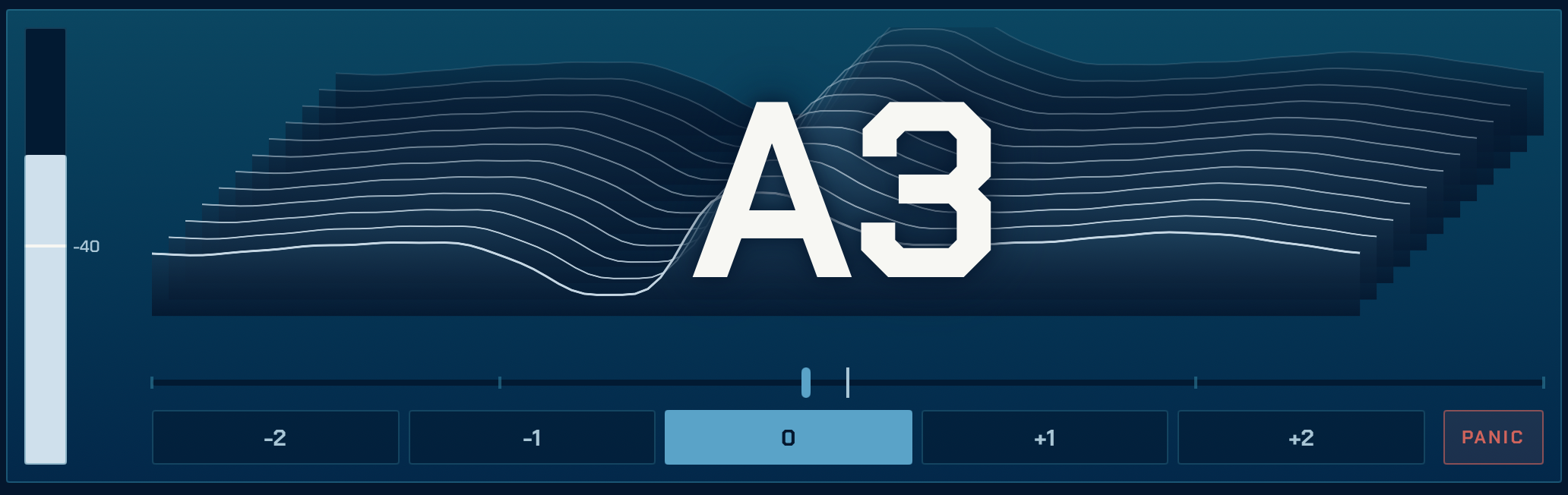
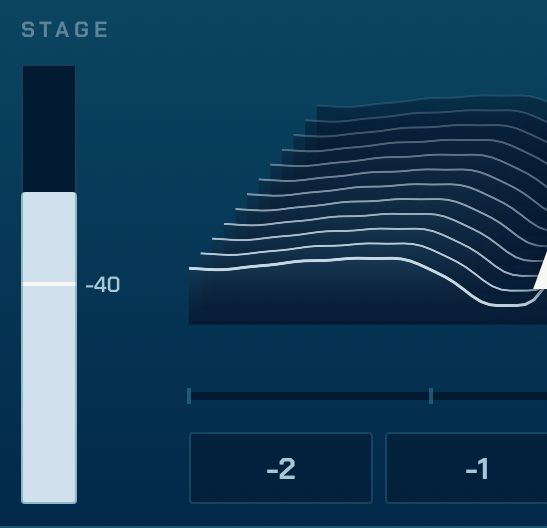
Both, iOS 17 or later. The Stage view is built for the small windows Hosts give you on a phone.
How much?
$2.99, once. The App Store shows it in your own currency, so it'll differ a bit by country.